2027 Trust Land Transfer Projects
DNR is proposing six important projects be funded in the upcoming 2027-2029 legislative session
-
![]()
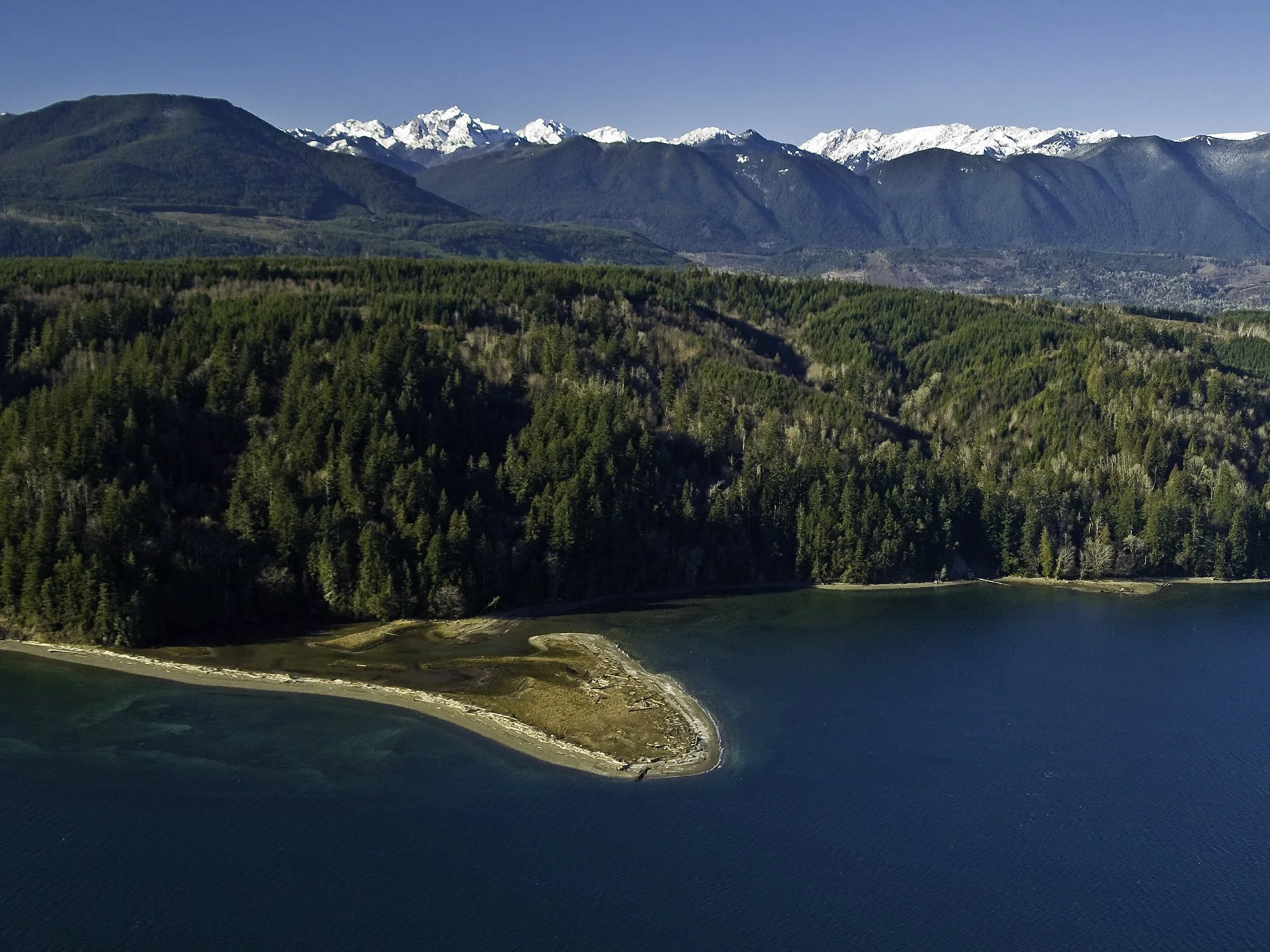
Dabob Bay
The 1,096 acre project is a central piece of an ongoing restoration project at the headwaters of one of the largest intact estuarine shorelines in Puget Sound. These forests are within the boundaries of the Dabob Bay Natural Areas and one of the last remaining opportunities for the preservation of a large area of lowland mature forest habitat in the region. The project supports a rich diversity of wildlife, habitats and shellfish resources, including a globally rare imperiled forest type. There is significant support in the community for the project, including local governments like the Quilcene Fire District who benefit from investments in conservation.
-
![]()
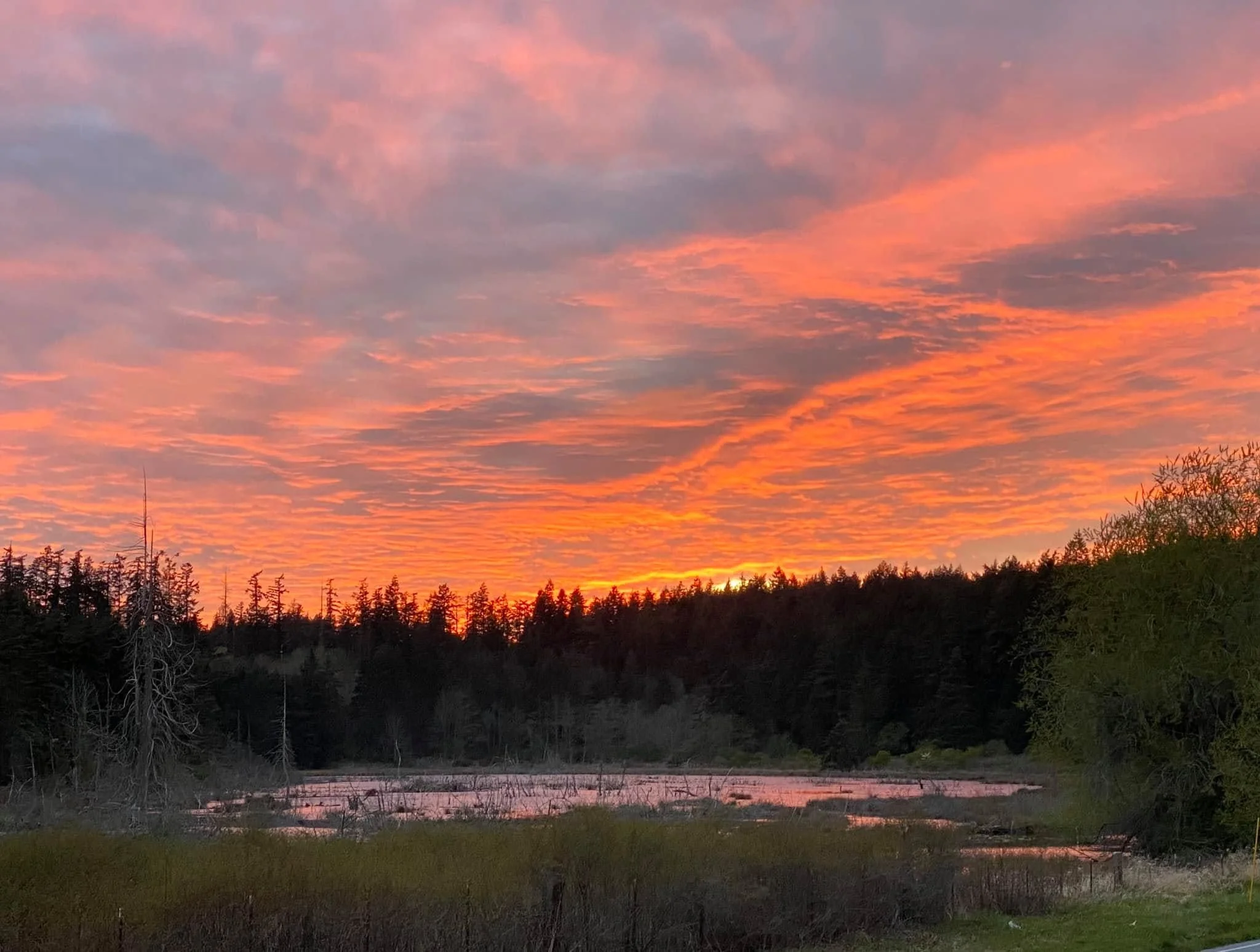
Elgar Bay
Located on the east side of Camano Island, this 173 acre forest surrounds an elementary school that frequently takes field trips into its midst. It’s currently being preserved on a temporary basis under a lease that expires in 2031. Permanent protection is needed to provide certainty to the community and allow for long-term investments like trail and ADA improvements. Without funding, an uncertain future awaits. The parcel contains multiple wetlands, a beaver marsh, and a rare, high-quality bog. It’s beloved by the community as exemplified by the nearly 1,000 community members who signed a petition in support of the project.
-
![]()
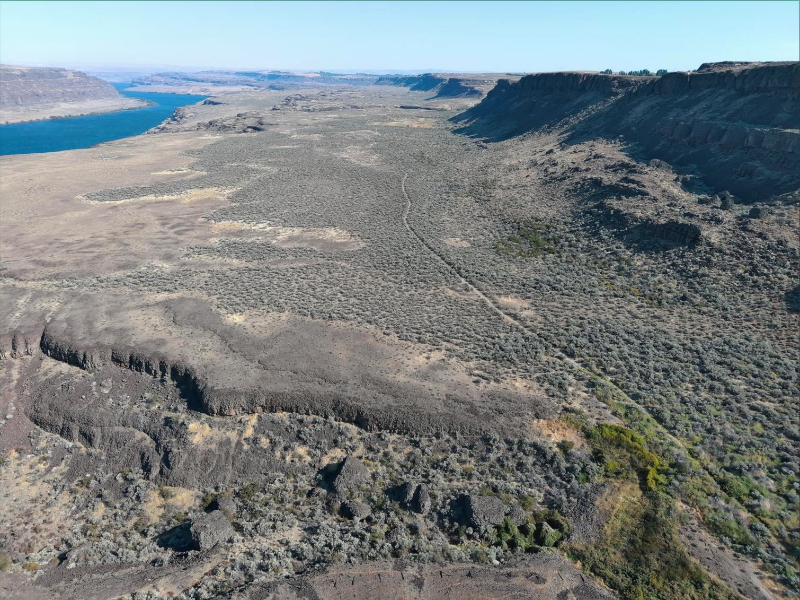
Babcock Bench
This land is currently managed by Washington Department of Fish and Wildlife (WDFW) under a long-term lease for its incredible wildlife habitat and outdoor recreation. The Ancient Lakes area is a 4-season geological wonderland with incredible rock climbing, hunting, trout fishing, and hiking. Sitting just above the Columbia River near Vantage, these two parcels were originally granted to Washington at statehood, but generate essentially no revenue for trust beneficiaries. WDFW is the better land manager for the parcels and a transfer would allow them to more efficiently plan for the extensive public pressure the land receives.
-
![]()
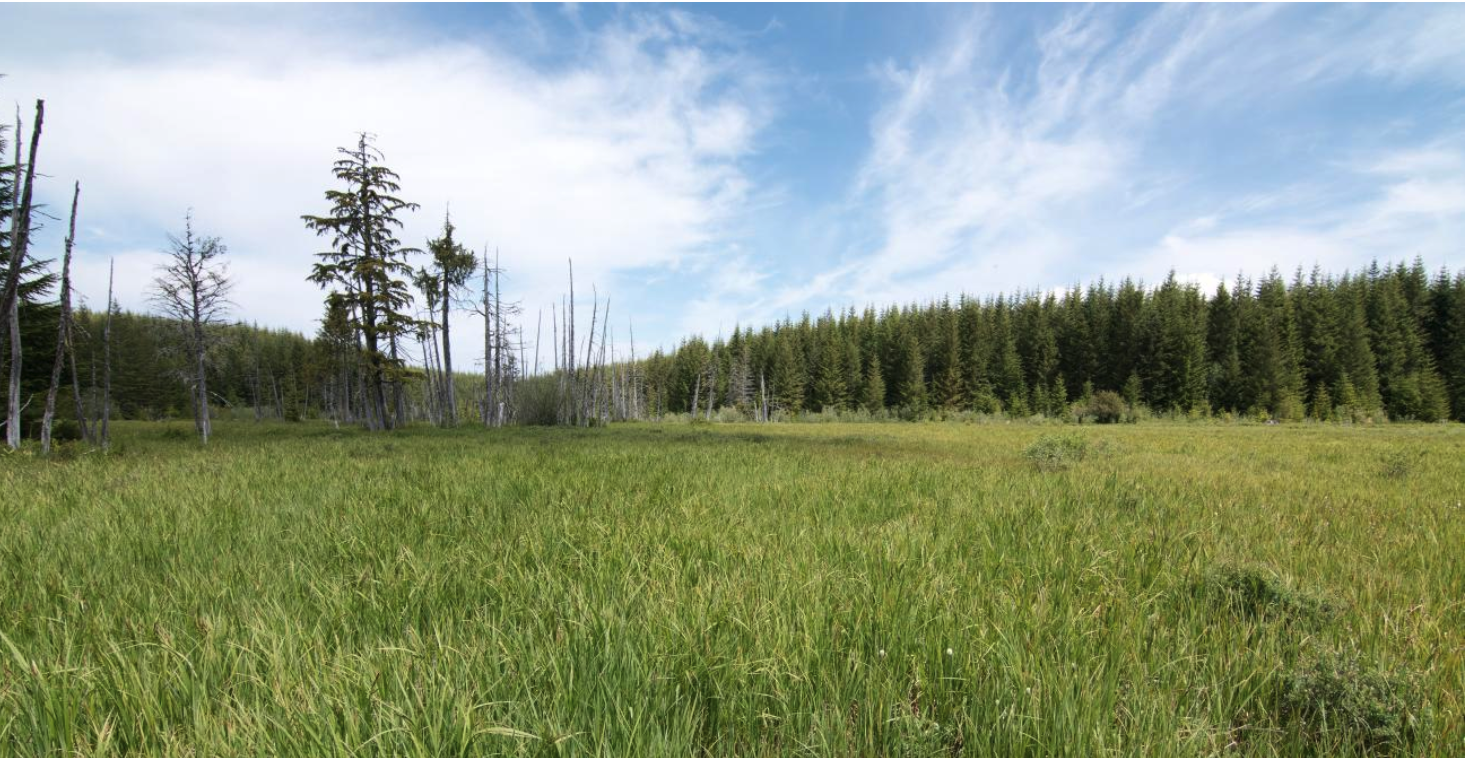
Toutle Ridge Fen
This small new natural area just west of Mt. St. Helens was only identified in 2019 when a state forester noticed the unique wetland, called a fen. As compared to rainwater-fed bogs, fens are mineral-rich wetlands nourished by groundwater or surface runoff. Neighboring areas were logged, but this special place was conserved because of its rare plants- one of which is the southernmost known occurrence of the species in western North America. Ecologists say it has a very high biodiversity significance. The local Cowlitz Tribe supports the project as it’s within the Tribe’s historical range and is of cultural significance to the Tribe.
-
![]()
Thorpe
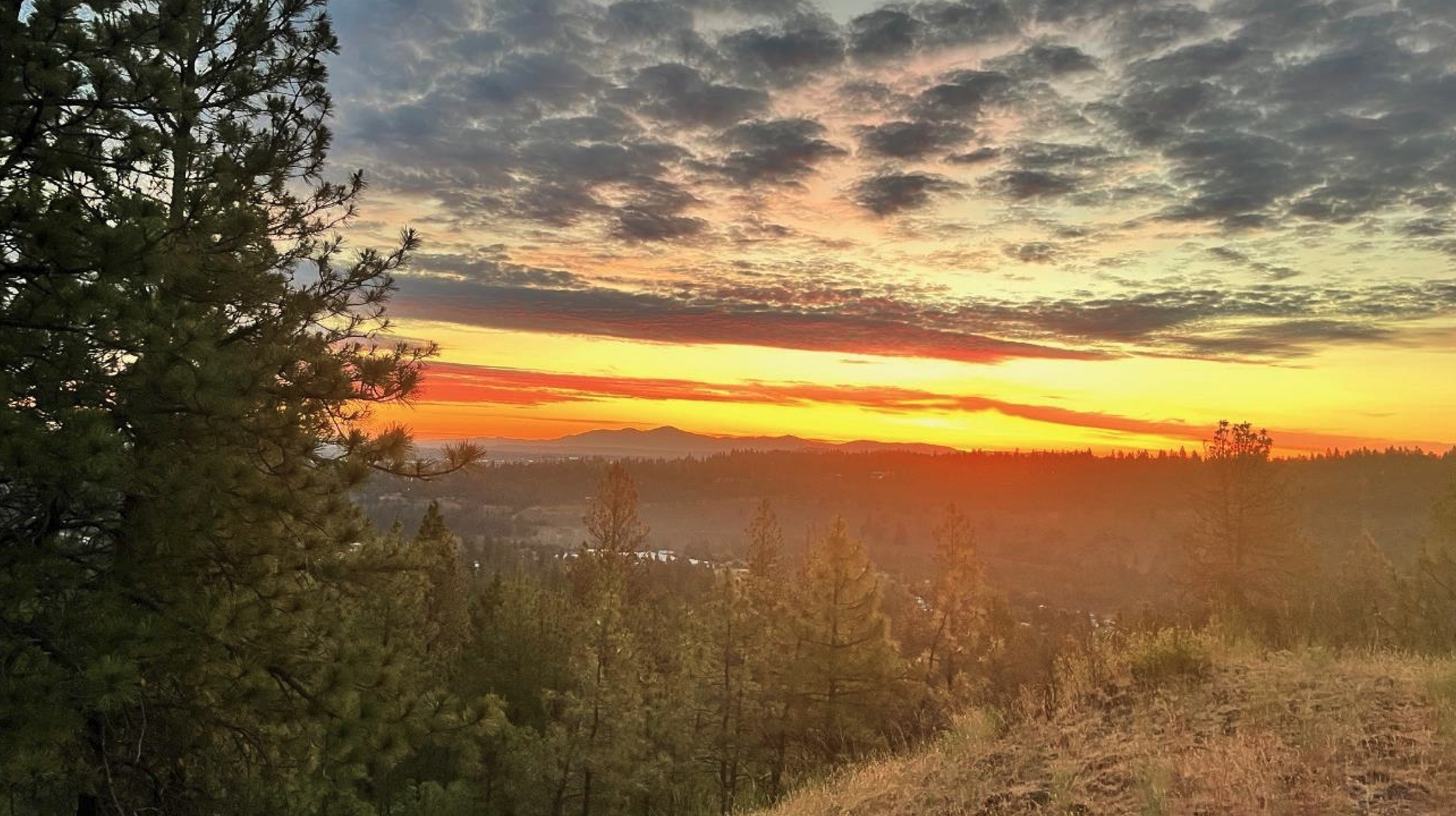
This high-profile conservation project aims to protect 199 acres of ecologically sensitive woodlands southwest of Spokane. The goal is to transfer ownership to the City of Spokane to transform it into a new public park and natural area. It contains mature ponderosa pines, mule deer habitat and addresses a severe infrastructure gap in the neighborhood. The community has shown an incredibly strong interest in the project—nearly 100 local stakeholders, neighborhood groups, elected officials and conservation organizations have expressed their support for the Thorpe transfer.
-
![]()
Yakama Tract C
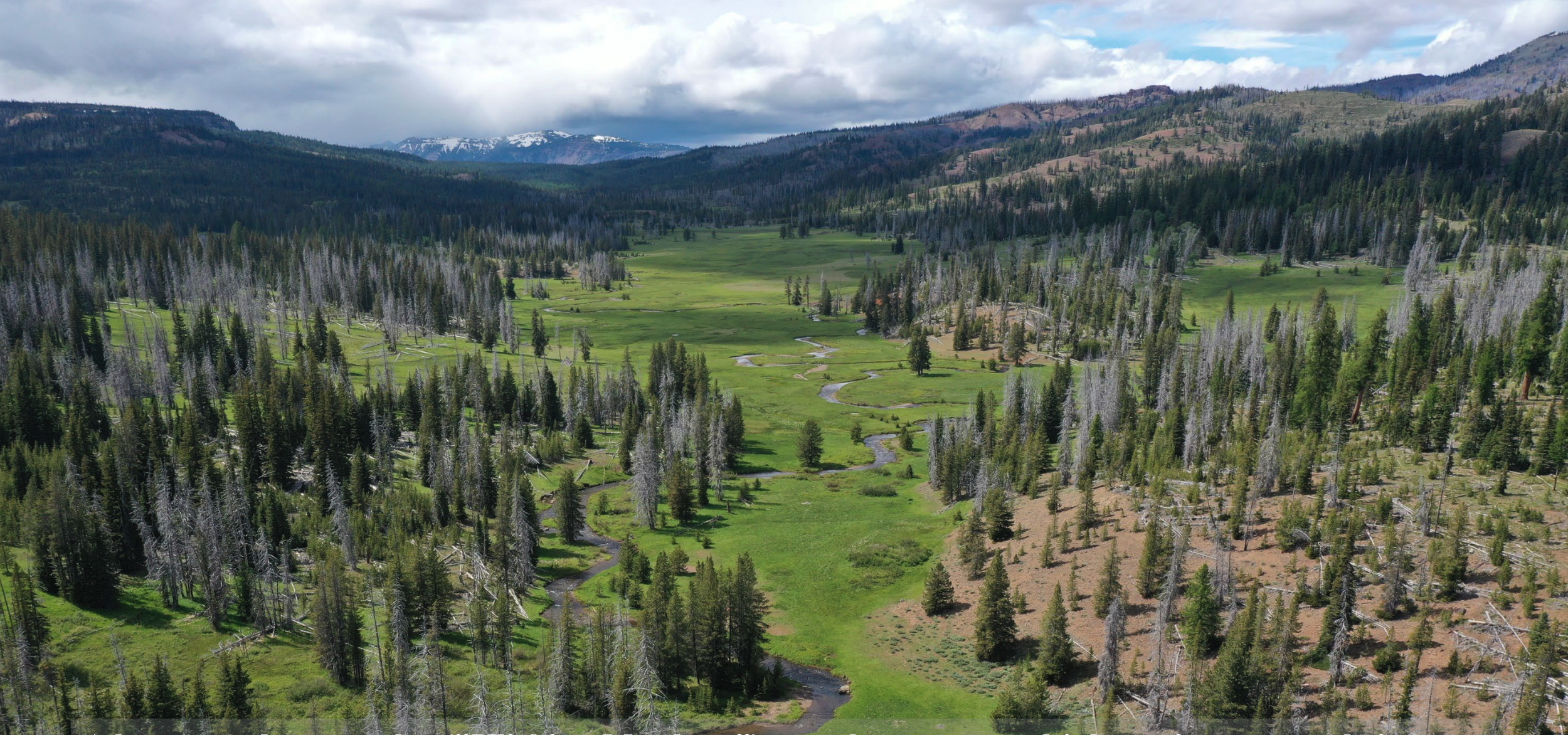
Because of a filing error by a federal clerk and incomplete federal surveys over 100 years ago, the state owns thousands of acres inside the Yakama Indian Reservation boundaries. These parcels of high-elevation forests and meadows contain headwaters to a tributary of the steelhead-bearing Klickitat River. Many of the parcels are difficult or impossible to access given their place in a checkerboard pattern with Yakama Nation land. Because of their high elevation, the growing conditions for timber are poor and thus there is minimal long-term revenue potential for the state. The legislature partly funded the Tract C North project in 2025 and 2026, but additional funding is needed to transfer the entire swath of land. Transferring the land to the Yakama Nation would be a major step forward for Tribal sovereignty and justice for the Yakama Nation.